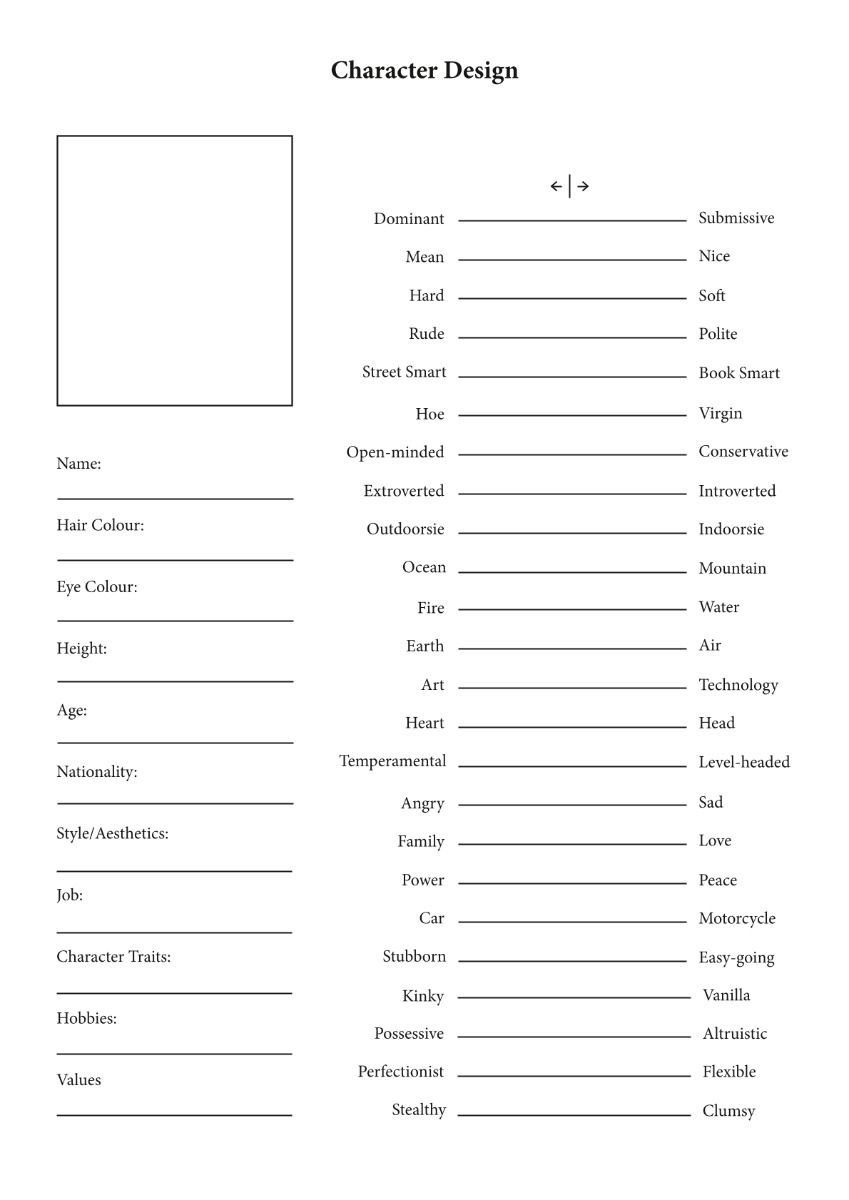
Every unforgettable story, whether it’s a sprawling fantasy epic or a quiet character study, hinges on its characters. And at the heart of every truly compelling character lies a meticulously crafted Character Profile & Backstory. This isn't just about listing traits; it’s about understanding the very fabric of their being – their fears, their dreams, their past, and the motivations that drive every single decision they make. Without this groundwork, your characters risk falling flat, becoming mere puppets dancing on the strings of your plot.
Imagine trying to understand a complex individual in real life without knowing their history, their experiences, or what truly makes them tick. You'd be lost, and so would your readers. A robust character profile provides that essential context, breathing life into your creations and allowing them to leap off the page or screen.
At a Glance: Your Blueprint for Unforgettable Characters
- Beyond the Basics: A character profile isn't just a name and age; it's a deep dive into psychology, history, and physical presence.
- The Three Layers: Understand your character from their visible traits, their formative past, to their core motivations.
- Backstory as Fuel: Their past isn't just trivia; it's the engine for their present actions and future conflicts.
- Banish Writer's Block: Leverage AI tools like the ToolBaz Generator to spark creativity and develop comprehensive profiles in minutes.
- Consistency is Key: A solid profile ensures your character acts and reacts authentically throughout your narrative.
- For Every Creator: Essential for fiction writers, roleplayers, game developers, and artists alike.
Why Bother? The Unseen Power of a Deep Character Profile
You might be thinking, "Do I really need to know my character's favorite breakfast cereal?" While not every detail will make it into your final story, the process of developing a comprehensive character profile is transformative. It's the difference between a two-dimensional sketch and a vibrant, three-dimensional being who resonates with your audience.
A character profile is, at its core, a detailed biography of your fictional creation. It encompasses everything from their age, physical appearance, and personality, to their intricate backstory and the web of relationships they navigate. This level of detail is crucial because it helps you, the creator, ensure depth, conviction, and believable progression for your characters. When you truly know your character, their dialogue will sound authentic, their reactions will feel earned, and their journey will carry genuine weight.
Moreover, a well-defined character profile acts as your narrative compass. It prevents inconsistencies, helps you generate plot points naturally from their desires and flaws, and ultimately, helps you avoid that frustrating moment of writer's block where you wonder, "What would my character do next?"
The Anatomy of a Compelling Character: Beyond the Surface Level
To construct a truly holistic picture, a strong character profile needs to balance verifiable facts with psychological depth. Reedsy's insightful 3-part template provides an excellent framework, allowing you to build your character layer by layer.
The Outer Layer: What the World Sees
This is your character’s public face – the immediate impression they make. It covers all their physical characteristics, from their height and build to their hair color, scars, or the specific way they dress. But it's not just about static appearance; it also includes their mannerisms, habits, and how they speak. Do they fidget? Do they have a distinctive accent or a tendency to interrupt? These details aid in immediate identification and communicate volumes before a single word of inner monologue is shared.
Consider Elara Vance from our ToolBaz sample output: "Neon-blue dyed hair, sharp angular features, prosthetic left eye." These physical traits immediately paint a vivid, genre-appropriate picture and hint at a complex past.
The Flesh: The Story They Carry
Beneath the surface lies the character's backstory – the sum of all their formative influences, the significant people they've encountered, and the circumstances that have shaped them into who they are today. This isn't just a chronological list of events; it's the foundation of their biography, explaining why they act and who they've become.
Did they grow up in privilege or poverty? What traumatic events did they overcome? Who were their mentors, their adversaries, their first loves? For Elara Vance, her backstory is "Grew up in Neo-Veridia slums, self-taught coding to escape poverty, now works for the corporation she despises." This snippet alone reveals a strong motivation (escaping poverty), a core skill (coding), and a deep internal conflict (working for an despised entity), all rooted in her past.
The Core: The Heart of Their Desire
This is the deepest, most critical layer of your character: their psychology. What defines their deepest self? What are their core values, their hidden fears, their burning desires? This section explores their motivations, their worldviews, their strengths, and perhaps most importantly, their flaws. It's this critical information that forms the unshakable foundation of their story, providing a constant reference point for narrative consistency and character arc development.
Elara Vance's personality is "Highly analytical but socially awkward. Trusts machines more than people." This tells us a lot about her internal world, her strengths, and her vulnerabilities, all of which will undoubtedly influence her story goal and how she interacts with others. Understanding these core psychological elements is crucial for mastering character arcs and ensuring your characters evolve authentically.
Crafting Their Past: Building a Resonant Backstory
A character's backstory isn't simply a chronological record of events; it's the bedrock upon which their present personality, motivations, and conflicts are built. It provides the "why" behind their actions, allowing readers to empathize with their struggles and celebrate their triumphs. When delving into the past, remember the "Iceberg Principle": you, the writer, should know 90% of the backstory, even if only 10% ever explicitly appears on the page.
Key Questions to Illuminate Their Past:
- Early Life & Family: Where were they born? Who raised them? What was their family dynamic like? Were they loved, neglected, or pressured?
- Defining Moments: What specific events irrevocably changed their path? A loss, a discovery, a betrayal, a profound success?
- Education & Skills: What did they learn, formally or informally? How did they acquire the unique abilities they possess?
- Trauma & Triumph: What are their deepest wounds? What moments of resilience or victory shaped their self-perception?
- Relationships: Who were their closest friends, mentors, or enemies in their youth? How did these relationships impact them?
- Worldview Formation: How did their early experiences shape their beliefs about the world, justice, and human nature? This crucial understanding can even help you explore Hodgners Criminal Minds in creating intricate antagonists.
Pitfalls to Avoid in Backstory Development:
- The Info-Dump: Resist the urge to unload every detail of their past in one go. Backstory should be revealed organically, through action, dialogue, and carefully placed flashbacks, not as a lecture.
- Irrelevant Details: Every piece of backstory should serve a purpose, informing the character's present or future. If it doesn't add depth, motivation, or conflict, trim it.
- "Perfect" Characters: A backstory without struggle or significant flaws makes for a dull character. Embrace their imperfections; they are often the most relatable aspects.
When Writer's Block Strikes: Turbocharging Your Creativity with AI
Even seasoned writers face the blank page dilemma. Sometimes, the initial spark for a new character just isn't there, or you find yourself stuck on a crucial detail. This is where modern tools can become invaluable allies. The ToolBaz AI Character Profile Generator is a free AI writing assistant designed specifically to help you bypass writer's block by creating detailed, unique, and believable character profiles in seconds.
It's not about replacing your creativity, but augmenting it. The AI analyzes archetypes, personality traits, and storytelling tropes to give you a jumping-off point, or even a fully fleshed-out character that just needs a few personal touches.
Key Features That Spark Creativity:
- Comprehensive Profiles: The generator doesn't just give you a name. It crafts a name, age, occupation, physical appearance, personality traits, and even a foundational backstory.
- 100% Free & Unlimited: You can generate as many profiles as you need without worrying about costs or limits.
- Customizable Output: Tailor the results by providing basic inputs (like genre or a few known traits), ensuring the character fits your specific story needs. It can even adapt to fantasy classes for D&D!
- Sparks Unique Ideas: Sometimes, the AI will suggest quirks or flaws you hadn't considered, pushing your character in exciting, unexpected directions.
How to Use the ToolBaz Generator: A Simple Guide
Getting a comprehensive character profile is incredibly straightforward:
- Enter Basic Details: Start with what you know. Perhaps "Female, 30s, Sci-Fi Pilot" or "Male, Elf, Rogue." If you're feeling adventurous, select "Random" for a totally fresh start.
- Select Creativity Level: Adjust a simple slider for how "out there" you want the AI to be. Opt for standard tropes or dial it up for more experimental, unexpected output.
- Click "Generate": Watch as the AI instantly crafts a detailed profile based on your inputs and selected creativity level.
- Refine and Adopt: Review the generated profile. Use it as a writing prompt, tweak details to better fit your vision, or save it as-is. Remember, you have full rights for commercial or personal projects ��� the content is unique to your generation!
Who Benefits Most from This AI Power-Up?
- Fiction Writers: Whether you're sketching a protagonist, fleshing out an antagonist, or needing a quick side character, the generator can provide invaluable starting points.
- Roleplayers (D&D/RPG): Quickly generate rich NPCs for your campaigns, complete with personalities and backstories that make every encounter memorable.
- Game Developers: Need bios for game assets, unique characters for cutscenes, or even just ideas for character classes? The AI can provide a wealth of options.
- Artists: Looking for physical prompts, personality traits, or backstory ideas to inspire character designs? The detailed descriptions are perfect for visual conceptualization.
For example, a prompt like "Female, Elf, Ranger, wise but haunted" might yield something like: - Name & Basics: Lyra Shadowbrook, 197 (appears mid-30s), Ranger, Sentinel of the Whispering Woods.
- Physical Traits: Silver hair woven with dried leaves, piercing emerald eyes, a scar running along her jaw from a griffin's claw. Agile and lithe.
- Personality: Stoic and observant, speaks little but means much. Deeply connected to nature, distrustful of urban life, carries a quiet sadness.
- Backstory: Was once part of an elite elven hunting party, but a tragic encounter with a corrupted beast wiped out her kin. She now wanders the woods alone, seeking to protect it from similar threats, burdened by survivor's guilt.
This instantly provides a rich canvas for further development, informing decisions about writing compelling dialogue or even crafting dynamic relationships.
Beyond the Profile: Integrating Your Character into the Narrative
Creating a detailed character profile is a significant achievement, but it's only half the battle. The true magic happens when you weave that profile seamlessly into your narrative.
- Consistency is Your Anchor: Your character profile serves as your immutable reference point. If your character is established as fiercely loyal, an act of sudden betrayal needs monumental justification. Use the profile to check their reactions, dialogue, and choices, ensuring they remain true to their core. This consistency builds trust with your audience.
- Allow for Evolution: While consistency is vital, characters shouldn't be static. Their journey, the conflicts they face, and the relationships they forge should challenge their core beliefs and force them to grow. Your profile defines who they are now, but their story shows who they become. This ties back to the necessity of mastering character arcs.
- Dynamic Relationships: No character exists in a vacuum. How do their personality traits, their backstory, and their motivations influence their interactions with other characters? A socially awkward character like Elara Vance would have vastly different relationships than a charismatic leader. These dynamics are a powerful source of conflict and development.
- Show, Don't Just Tell: Instead of telling readers your character is brave, show them performing a courageous act. Let their physical traits influence their movement, their backstory inform their decisions, and their core psychology drive their internal monologue. This is fundamental to unraveling intricate plot twists rooted in character choices.
Common Character Development Challenges & How to Overcome Them
Even with the best intentions, character development can present hurdles.
- Flat Characters: The most common pitfall. Characters who feel generic, without unique quirks, flaws, or motivations.
- Solution: Lean into paradoxes. Make your characters contradictory in interesting ways (e.g., a gruff doctor with a secret soft spot for stray animals). Give them clear, compelling desires and equally strong fears.
- Inconsistent Behavior: A character acts one way in chapter 3 and completely differently in chapter 10, without any logical progression or catalyst.
- Solution: Refer back to your character profile regularly. Ask, "Would my character, given their personality and backstory, truly make this choice?" If a change is needed, ensure it's earned through significant in-story events.
- Lack of Motivation: Readers don't understand why the character is doing what they're doing.
- Solution: Connect every action to their core desire or a direct consequence of their backstory. What do they want more than anything? What are they willing to sacrifice? Their motivations should be clear, even if they are flawed or misguided.
- Too Much Backstory, Too Little Story: Drowning the reader in exposition about the past, at the expense of present narrative momentum.
- Solution: Reveal backstory strategically, only when it’s relevant to the current plot or deepens understanding of a character's present dilemma. Think of it as seasoning, not the main course. Let actions and consequences drive the story forward.
- "Perfect" Characters: Heroes without flaws are rarely relatable or interesting.
- Solution: Embrace imperfections. Give your protagonists weaknesses, moral ambiguities, or bad habits. These flaws create internal conflict and opportunities for growth.
Your Character Profile Checklist: A Quick Reference
Before you launch into writing, ensure you've considered these vital elements for each main character:
- Name & Identification: Full name, any aliases, age, gender, occupation/role.
- Physical Appearance: Height, weight, build, hair/eye color, distinctive features (scars, tattoos, unique clothing), mannerisms, gait.
- Personality & Psychology: Core traits, strengths, weaknesses, fears, desires, ambitions, quirks, values, moral compass.
- Backstory: Key childhood events, family history, significant relationships (past & present), major traumas or triumphs, pivotal decisions that shaped them.
- Skills & Abilities: What are they good at? Any special talents or magical abilities? What are they terrible at?
- Relationships: Who are the most important people in their life? What is the dynamic with each?
- Voice & Dialogue: How do they speak? (Pacing, vocabulary, slang, tone). This helps in writing compelling dialogue.
- Internal Conflict: What struggle exists within them? (e.g., duty vs. desire, fear vs. courage).
- External Conflict: What obstacles do they face from the outside world?
- Story Goal: What do they want to achieve in the narrative?
- Arc/Transformation: How will they change from the beginning to the end of the story?
Ready to Write? Your Next Steps Towards Deeper Storytelling
Developing rich, believable characters is a journey, not a destination. It's an iterative process of discovery and refinement that will enrich your storytelling immeasurably. Don't feel pressured to have every single detail perfect from the outset. Start with the core elements, let your character guide you, and allow them to grow organically as you write.
Tools like the ToolBaz AI Character Profile Generator can be an excellent starting point, especially when you're facing a creative block or need to populate your world with a diverse cast quickly. Experiment with it, see what sparks your imagination, and then make it undeniably your own. The more time you invest in truly understanding your characters – their outermost layer, their formative past, and their deepest desires – the more vibrant, compelling, and unforgettable your stories will become. So grab your notebook (or open that generator) and start exploring the incredible minds and histories of the people who will bring your next great narrative to life. From crafting setting and mood to intricate plot construction, everything begins with character.
Untuk pemahaman lebih lengkap, baca panduan utama kami: Explore Hodgners Criminal Minds