Ever found yourself pausing a scene, rewinding a dialogue, or obsessing over a subtle visual clue that no one else seems to notice? You're not just watching a story; you're becoming an investigator, a storyteller, and a key participant in the narrative's ongoing life. This is the heart of Fan Theories & Character Analysis: a vibrant, often philosophical playground where audiences take the reins, dissecting fictional worlds and the motivations that drive their inhabitants.
It’s where mere speculation blossoms into a well-reasoned argument, built on textual evidence and imaginative leaps, transforming passive consumption into active, communal discovery. Forget simply enjoying a story; we're here to understand how to truly engage with it, pushing beyond what's on the page or screen to explore the boundless "what ifs" and "why nots."
At a Glance: Unpacking Fan Theories & Character Analysis
- What They Are: Deeply analyzed, evidence-backed interpretations of fictional narratives, often filling gaps or explaining ambiguities.
- Why They Matter: They deepen engagement, build communities, and extend the life of beloved stories beyond their official endings.
- Key Distinction: Understanding the difference between official canon and fan-created headcanon or personal theories.
- The Theorist's Role: From solitary investigators to influential content creators, fans actively shape narrative discourse.
- Where They Thrive: The internet is their primary home, with platforms like Reddit, YouTube, and fan wikis serving as debate forums and evidence repositories.
- Creator Reactions: Varying responses from authors, from embracing theories to shying away from external pressure.
- Your Turn: Practical steps to develop and share your own compelling theories.
Why We Dive Deep: The Allure of Fictional Worlds
We consume stories not just for entertainment, but for connection, meaning, and escape. But what happens when the credits roll, or the final page turns, and you're left with lingering questions? What if that minor character's glance meant something more? Could that seemingly throwaway line hint at a deeper conspiracy? This insatiable curiosity is the engine behind fan theories.
In a philosophical sense, this phenomenon echoes Roland Barthes' "Death of the Author" – the idea that once a work is released, its meaning is no longer solely determined by the creator. The audience steps in, bringing their own interpretations, experiences, and critical lenses. You become not just a receiver, but an active participant, helping to shape the narrative's ongoing cultural life.
This active engagement deepens our emotional and intellectual investment. It's how stories transcend their original format, living on in fervent discussions, imaginative fanfiction, and meticulously crafted theories that sometimes even influence future official content.
Dissecting the Narrative: What Makes a Fan Theory?
A fan theory isn't just a random guess or a "wouldn't it be cool if..." moment. It's a carefully constructed argument, born from dedicated fans meticulously dissecting every frame, line, and clue of a source material. Think of yourself as a literary detective, sifting through evidence to build a compelling case.
These theories emerge to serve several key purposes:
- Connecting Dots: They link seemingly disparate elements within a story, revealing hidden patterns or underlying motivations. For instance, the theory that R2-D2's memory was never erased, unlike C-3PO's, in Star Wars and he simply pretends not to know Obi-Wan to protect Luke, connects multiple instances of R2's seemingly selective memory.
- Filling Gaps: Many narratives leave intentional (or unintentional) voids. Fan theories rush in to offer plausible explanations. A classic example is the idea that Peter Pan kills any Lost Boy who grows into adulthood, and Captain Hook and his pirates are escaped Lost Boys aiming to stop him, filling in the dark backstory of Neverland.
- Explaining Inconsistencies or Ambiguities: When a plot point feels off, or a character acts out of alignment, theories provide a workaround. Consider the idea that the Trolls in Frozen used magic to make Hans turn evil so Kristoff could be with Anna, addressing the abrupt shift in Hans's character.
- Exploring "What Ifs": Sometimes, theories venture into alternate realities or dark reinterpretations. The popular theory that Scooby Snacks are edibles, and Shaggy and Scooby are high the entire time, completely recontextualizes Scooby-Doo as a stoner comedy. Similarly, the idea that Bikini Bottom is a nuclear bomb testing site (Bikini Atoll) explains the mutations of its inhabitants.
These theories are arguments, spread and defended within communities, often sparked by noticeable plot holes, open-ended narratives, or even character actions that beg for deeper understanding.
The Lexicon of Fandom: Canon, Headcanon, and Personal Theories
To navigate the world of fan theories effectively, it’s crucial to understand the language fans use to define narrative truth.
- Canon: This is the bedrock of any fictional world—the officially established story, events, and character traits confirmed by the creators (authors, showrunners, game developers, etc.). It’s the undisputed truth of the narrative, like the fact that Harry Potter defeats Voldemort or that Frodo Baggins carries the One Ring.
- Headcanon: This is where personal interpretation begins to stretch beyond the official. A headcanon is a fan's personal belief about a detail or event within a story that isn't explicitly confirmed by canon, but also doesn't directly contradict it. For example, you might have a headcanon that a certain side character has a secret hobby, or that two characters who never officially got together had a subtle, unspoken affection. It's a personal layer of meaning you add to your understanding of the story.
- Personal Theory Not in the Source Material: This type of theory often starts as a headcanon but develops into a more structured argument. It’s a fan's deep dive into possibilities beyond the official story, exploring what could be true, often to fill perceived gaps or offer alternative explanations for ambiguities. For instance, the theory that Dumbledore was manipulative, intentionally leaving Harry in an abusive household to make him more trusting and easier to control, builds on canon events but ventures into a deeper, critical interpretation of his character. As long as it doesn't directly contradict established canon facts, such a theory is valid within an individual's or community's interpretive framework, fostering rich engagement with the material.
Understanding these distinctions helps clarify discussions and manage expectations about what constitutes "truth" within a fictional universe.
The Architects of Ideas: Who Crafts These Theories?
Fan theories don't just spring fully formed from the ether; they are the product of dedicated individuals and collaborative communities. You’ll typically encounter a few archetypes among the theory crafters:
- Lone Wolf Investigators: These are the dedicated, often obsessive fans who spend countless hours dissecting source material. They'll rewatch films frame-by-frame, reread books with a fine-tooth comb, and scour wiki entries for obscure lore. Their theories are often dense, meticulously researched, and can uncover incredibly subtle connections that the average viewer might miss. Think of the individual who noticed every inconsistency in Hans's character arc in Frozen leading to the "Trolls made him evil" theory.
- Influencers and Popularizers: On the other hand, a significant portion of the theory landscape is shaped by content creators who popularize and synthesize these ideas. YouTubers, bloggers, podcasters, and social media personalities often take complex, niche theories and present them to massive audiences, adding their unique perspectives and shaping broader fandom conversations. They act as curators and communicators, turning obscure speculation into widely debated concepts. The theory that The Matrix's "real world" is just another layer of the Matrix, designed for those who reject the first layer, gained immense traction through video essays and online discussions, becoming a classic example of this type of theorizing.
Whether it’s a deep dive into the psychological depths of fictional characters or a playful reinterpretation of a children's cartoon, these individuals and groups are vital to the continuous evolution of our relationship with stories.
The Digital Colosseum: Where Fan Theories Thrive
The internet isn't just a place where fan theories are shared; it's the very arena where they are forged, debated, refined, and spread. These platforms provide the tools and communities necessary for theories to evolve from whispers into full-blown phenomena.
- Reddit: A true powerhouse for fandom discussions. Subreddits dedicated to specific shows, movies, or game franchises serve as organized forums where theories are posted, debated, and upvoted based on their compelling arguments and supporting evidence. The voting system highlights the most persuasive or intriguing theories, making Reddit a go-to for discovering popular and niche interpretations. The theory that Kevin from Home Alone grows up to be Jigsaw from Saw, for example, is a classic Reddit deep dive that showcases how fans link seemingly unrelated narratives.
- Television Tropes & Idioms (TV Tropes): While not a theory platform itself, TV Tropes is an indispensable tool for theorists. By cataloging recurring plot devices, character archetypes, and narrative conventions across all forms of media, it helps theorists identify patterns, understand narrative structures, and strengthen their arguments with established storytelling concepts. It's like a linguistic dictionary for narrative analysis.
- Fanfiction.net & Archive of Our Own (AO3): These fanfiction platforms are more than just repositories for creative alternative storylines; they also act as laboratories for testing theories. By giving a theory narrative form—writing a story as if the theory were true—fans can explore its implications, see if it holds up logically, and develop its emotional weight.
- YouTube: A breeding ground for video essays that bring fan theories to life with visual aids, compelling narration, and dramatic presentations. Channels dedicated to pop culture analysis can garner massive audiences, transforming complex theoretical arguments into digestible and highly shareable content. The theory that Padme died because Darth Sidious used her life force to save Anakin, rather than just "losing the will to live," gained significant traction through analytical video essays explaining its implications for Palpatine's character and the Force.
- Smaller Fan Theory Blogs: Often hyper-focused on specific topics or franchises, these blogs offer intense, long-form analysis within tight-knit communities. They allow for a depth of discussion that might be harder to maintain on broader platforms, catering to the most dedicated of fans.
- Online Forums: Predating many modern social media platforms, traditional online forums continue to foster in-depth, nuanced conversations. Their longer format allows for more developed arguments and counter-arguments, making them ideal for complex theoretical discussions within dedicated communities.
- Wikis (for specific franchises): Essential research tools, fan-maintained wikis compile vast amounts of lore, character biographies, plot summaries, and canonical facts. For theorists, these are invaluable resources to verify information, gather evidence, and ensure their theories align with or cleverly circumvent established canon. For instance, dissecting the lore of Avatar: The Last Airbender on a wiki might lead to the theory that the planet is smaller with lower gravity, explaining characters' incredible jumps and falls.
Character Analysis: Unpacking Motivations and Arcs
While fan theories often focus on plot points or overarching narrative structures, character analysis is equally, if not more, vital. It’s about moving beyond "what happened" to "why it happened"—delving into the minds and hearts of fictional beings to understand their choices, their growth (or lack thereof), and the forces that shape them.
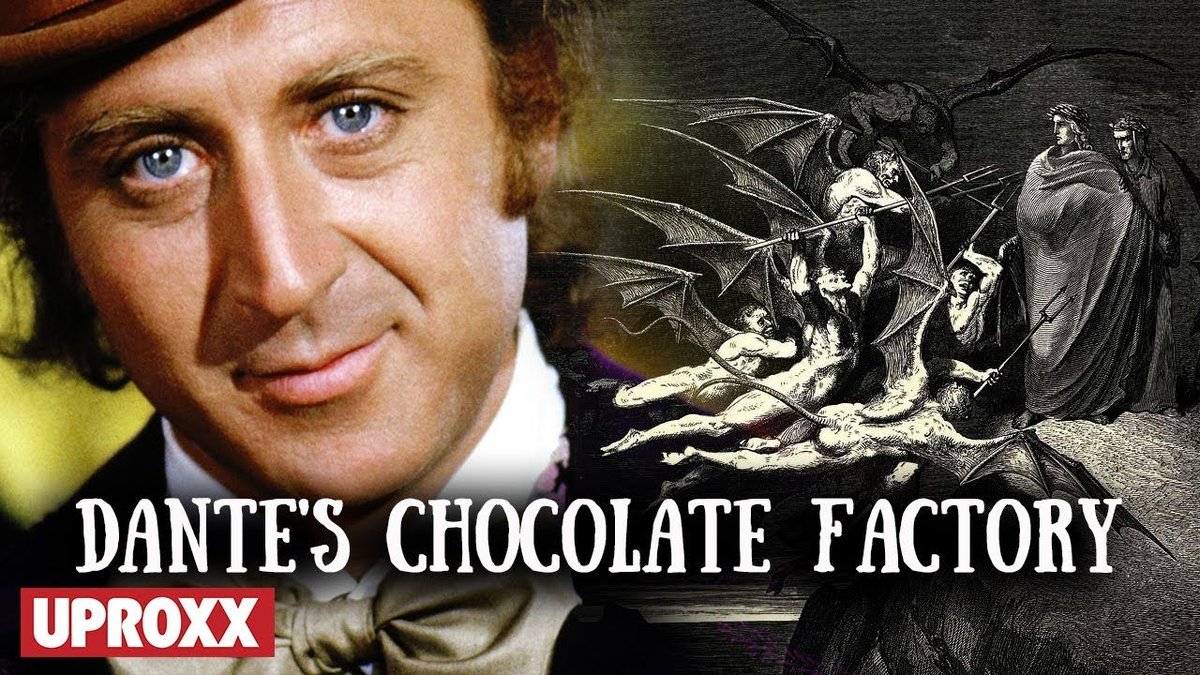
When you engage in deep character analysis, you're not just accepting a character's actions at face value. You're questioning their motivations, exploring their psychological underpinnings, and looking for consistency (or purposeful inconsistency) in their behavior. This can lead to theories that completely reframe a character's role or intentions. For instance, the theory that Willy Wonka knew what he was doing and intentionally programmed each child's downfall into his factory tour fundamentally shifts our perception of him from whimsical chocolatier to cunning manipulator.
Character analysis also helps us:
- Understand Internal Logic: Why did they make that decision? What were their internal struggles? What does this reveal about their personality?
- Flesh Out Backstories: Many narratives only hint at a character's past. Analysis allows us to speculate about what truly shaped them. The theory that Sid's parents in Toy Story are addicts, explaining his neglect and anger towards toys, is a darker example of fleshing out a character's home life.
- Predict Future Actions: By understanding a character's core traits and motivations, you can better predict how they might react in future scenarios, or even theorize about their post-narrative life.
Fan theories and character analysis are intrinsically linked. Often, a compelling fan theory about a plot point will hinge on a deep understanding of a character's hidden motivations. If you want to understand the intricate psychology of fan-favorite characters, diving into both is essential.
When Worlds Collide: Creators and Their Theories
The relationship between content creators and the vibrant world of fan theories is complex and often evolving. It’s a dance between authorial intent and audience interpretation, and creators react in a spectrum of ways:
- Embrace and Engage: Some creators find fan theories amusing, inspiring, or even insightful. They might drop hints, acknowledge popular theories, or, in rare cases, even incorporate elements of a compelling fan theory into future official works. J.K. Rowling, for instance, has often engaged with Harry Potter fan theories, sometimes confirming or denying them, and at other times suggesting they're close to her own ideas. This kind of interaction can foster a deep sense of collaboration and appreciation within the fandom.
- Wary and Protective: On the other hand, many creators are wary of fan speculation. They might feel it detracts from their intended message, creates undue pressure to fulfill fan expectations, or pigeonholes their characters/narratives prematurely. George R.R. Martin, creator of Game of Thrones, is known to be protective of his story's secrets, sometimes expressing frustration with theories that accurately predict his plot points, leading him to consider changes.
- The Evolving Dynamic: The relationship between creators and audience has shifted dramatically with the advent of social media and widespread online discussion. Deceased authors like Tolkien can only be subjects of speculation, their works open to endless re-interpretation. Living authors like Suzanne Collins (The Hunger Games), Christopher Nolan (Inception), and Vince Gilligan (Breaking Bad) have the unique opportunity to engage directly with their audiences, offering hints, clarifications, or even playfully misdirecting them. The theory that the spinning top at the end of Inception isn't Cobb's true totem (but rather his wedding ring, or the faces of his children) is a prime example of a theory born from ambiguity left by an active director.
Ultimately, a creator's perspective is personal. However, the sheer volume and passion behind fan theories undeniably play a significant role in how stories are perceived, discussed, and remembered.
Crafting Your Own Theory: A Step-by-Step Guide
Feeling inspired to unearth your own hidden truths within a beloved story? Crafting a compelling fan theory is an art form that blends critical thinking with creative speculation. Here's how to approach it:
- Identify a Gap, Inconsistency, or Ambiguity: Start with a question. What puzzles you? What doesn't quite add up? Is there a character action that seems out of place, a plot point left unexplained, or a cryptic line of dialogue? This is your starting point. For example, why is Caillou allowed to be so terribly behaved? (Leading to the theory he's a cancer patient, or just an un-updated toddler character).
- Gather Evidence (The "Smoking Gun"): This is crucial. A good theory isn't just a hunch; it's backed by textual, visual, or audio evidence directly from the source material. Scour the show, book, or game for supporting details:
- Dialogue: Specific lines, repeated phrases, or subtle implications.
- Visuals: Background details, character expressions, symbolic imagery, consistent (or inconsistent) aesthetics.
- Plot Points: Events that feel unresolved or contradictory.
- Character Behavior: Actions that deviate from established patterns, or reveal hidden depths.
- Example: For the theory that Ed from Ed, Edd n Eddy is mentally stunted and abused by his parents (who wanted a girl), evidence could include his parents' absence, Sarah's learned abusive behavior, and Ed's retreat into comics.
- Formulate a Hypothesis: Based on your evidence, propose a clear, concise explanation. This is your core theory. It should directly address the gap or inconsistency you identified.
- Develop a Compelling Argument: Now, weave your evidence into a narrative. How do all these clues connect? Why does your theory make more sense than the surface-level interpretation? Use logical reasoning and persuasive language. Consider counter-arguments and how your theory still holds up.
- Share and Refine: Present your theory to a community. This is where the magic happens. Others will poke holes, offer additional evidence, or provide alternative perspectives. Be open to refining your theory based on feedback. Remember, the goal isn't always to be "right," but to engage in a deeper, more enriching discussion.
Pitfalls to Avoid:
- Ignoring Canon: While theories go beyond canon, they should ideally not flat-out contradict undeniable established facts. If your theory requires ignoring a major plot point, it might be too far-fetched.
- Confirmation Bias: Actively seek out evidence that disproves your theory, not just supports it. A strong theory can withstand scrutiny.
- Over-reliance on Conjecture: Make sure your theory has a solid foundation of evidence, not just a chain of "what ifs."
Notable Fan Theories That Sparked Conversations (Curated Examples)
The world of fan theories is rich with imaginative, compelling, and sometimes downright bizarre ideas. Here are a few notable examples from the context research that highlight the diverse ways fans engage with their favorite stories:
- The Peter Pan Paradox: The dark theory that Peter Pan kills any Lost Boy who grows into adulthood, and Captain Hook and his pirates are escaped Lost Boys aiming to stop him. This theory brilliantly fills a narrative gap (what happens to Lost Boys who grow up?) by recontextualizing the entire story as a desperate fight for survival against an eternal, murderous Peter.
- Scooby's Secret Stash: The highly popular theory that Scooby Snacks are edibles, and Shaggy and Scooby are high the entire time. This re-imagining of Scooby-Doo is a classic example of fans injecting modern interpretations into classic media, explaining the duo's perpetual hunger, paranoia, and ability to communicate with each other.
- The Matrix's Deeper Deception: The concept that the "real world" in The Matrix is merely another layer of the Matrix, designed to appease those who reject the first simulation. This theory speaks to the film's core themes of reality and perception, suggesting an even more profound level of control and manipulation.
- Jigsaw's Origin Story: The chilling theory that Kevin from Home Alone grows up to be Jigsaw from Saw. This dark connection links Kevin's elaborate traps and sadistic tendencies as a child to the elaborate, morality-testing traps of the Jigsaw killer, showing how fan theories can invent horrifying character evolutions.
- Willy Wonka's Master Plan: The idea that Willy Wonka knew what he was doing and intentionally programmed each child's downfall during the factory tour, with Charlie's test being to return the gobstopper. This transforms Wonka from a quirky genius into a calculating, almost cruel, puppet master, carefully selecting his successor.
- R2-D2: The Ultimate Snitch Keeper: The theory that R2-D2's memory was never erased, unlike C-3PO's, but he pretends not to know Obi-Wan in A New Hope to keep Luke from learning about his father, Anakin, and turning to the dark side. This re-frames R2-D2 as a loyal guardian with a secret, deeply embedded mission.
- Padme's True Demise: The theory that Darth Sidious used Padme's life force to save Anakin, rather than her simply "losing the will to live." This theory offers a more active, sinister explanation for her death, fitting with Palpatine's manipulation and knowledge of preventing death.
- Dumbledore's Darker Side: The theory that Dumbledore was manipulative, intentionally leaving Harry in an abusive household to make him trusting and easier to control. This delves into a critical character analysis, challenging the perception of Dumbledore as a purely benevolent mentor.
- Dora's Visual Impairment: A poignant theory suggesting that Dora the Explorer is visually impaired, explaining her need for help to see nearby objects and her habit of not looking directly at things. This provides an empathetic explanation for a consistent character trait.
- The PAW Patrol Dystopia: One of the more unsettling interpretations, suggesting PAW Patrol is based in a Libertarian dystopia where essential services are outsourced to Ryder, who uses genetically engineered puppies, and Mayor Goodway's wealth makes gold meaningless. This demonstrates how fans can apply critical societal lenses to seemingly innocent children's shows.
- The Pokédex's Young Authors: The meta-theory that Pokédex entries are written by young trainers, explaining exaggerated and impossible facts (like Macargo being hotter than the sun) as playground rumors, with completing the Pokédex serving as a graduation thesis. This ingeniously explains narrative inconsistencies by reframing the source of the "facts."
These examples demonstrate the ingenuity, passion, and collaborative spirit that define the world of fan theories. Whether they're providing alternate explanations for plot holes or delving into the motivations of complex fictional figures, fan theories add immeasurable depth to our favorite stories.
The Enduring Appeal: Your Next Deep Dive
The realm of Fan Theories & Character Analysis is far more than just casual internet chatter; it's a testament to the enduring power of storytelling and the boundless creativity of its audience. By actively engaging with fictional worlds, questioning their realities, and dissecting their inhabitants' motivations, we transform ourselves from mere spectators into active co-creators of meaning.
This collaborative interpretation deepens our engagement, fostering vibrant communities where shared passion ignites spirited debate and imaginative exploration. It extends the life of stories far beyond their original release, allowing narratives to evolve, shift, and gain new layers of understanding for years to come.
So, the next time you finish a book, a movie, or a game, don't just walk away. Linger a moment. What questions still tug at your mind? What details did you spot that others might have missed? Perhaps you have the kernel of the next great fan theory, waiting to be unearthed. Embrace your inner detective, your latent storyteller, and dive headfirst into the endless possibilities that lie just beneath the surface of every great narrative. The fictional worlds are waiting for your insights.